
NEW TO FORRÓ?
What is forró?
Forró (say “fo-HO”) is a partner dance and a style of music from the Northeast of Brazil. It’s warm, playful and social, and you can join your first party after just a few classes.
The dance
Close, relaxed and full of play
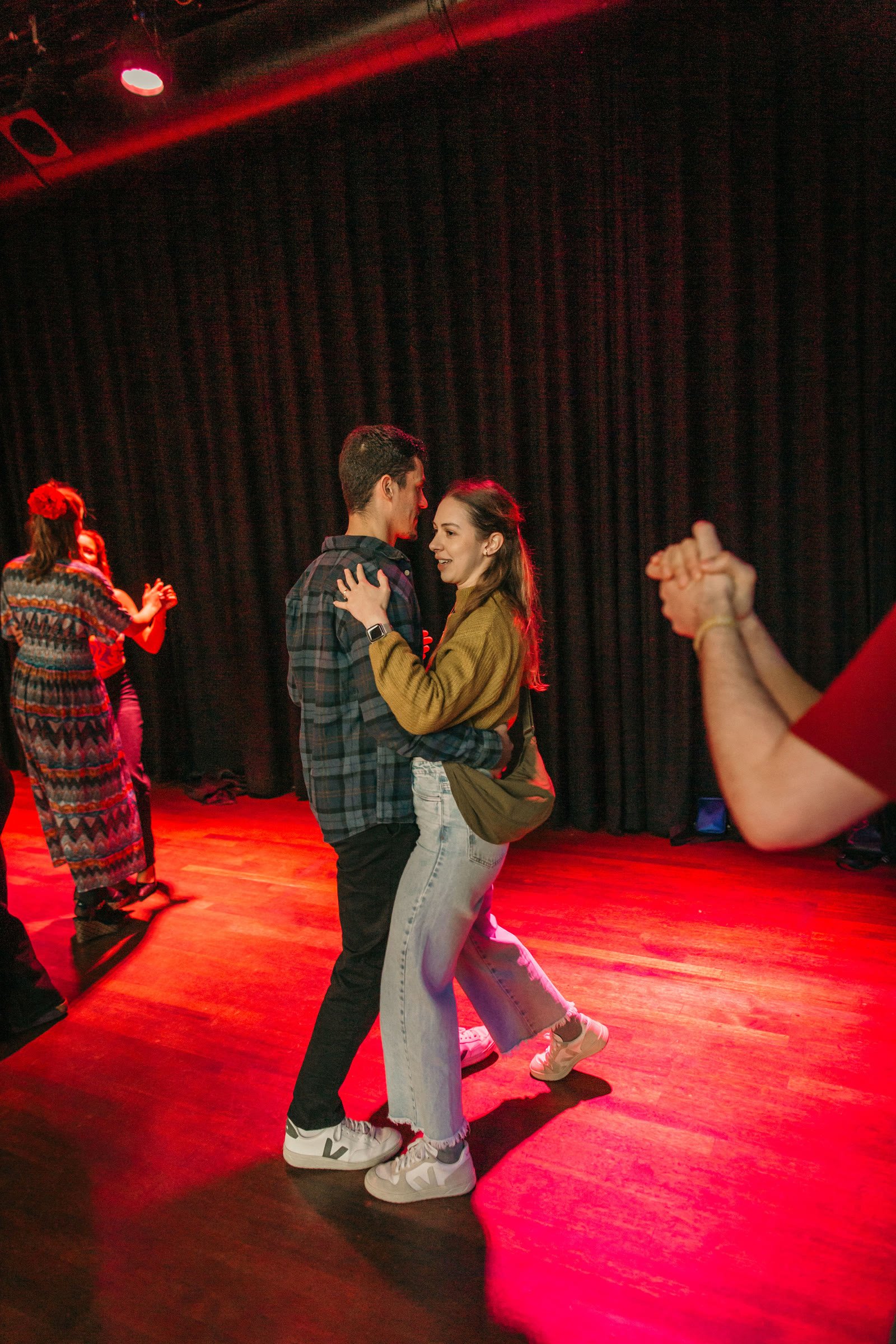
Forró is danced in pairs, usually in a close embrace, with small steps that follow the beat of the music. One person leads and the other follows, and anyone can dance either role.
The basic step is simple, so most people are dancing in their very first class. From there it opens up into turns, open positions and lots of room to play with the music. You don’t need a partner or any dance experience to start.
Where it comes from
Born in the Brazilian sertão
Forró was born in the Northeast of Brazil, in the dry backlands called the sertão. It grew from a mix of Indigenous, African and European influences, and started as music for countryside parties where people danced through the night, and it is still the soundtrack of Brazil’s June festivals, the festas juninas.
In the 1940s, singer and accordion player Luiz Gonzaga brought it to the big cities and to national radio. Songs like “Asa Branca” made forró loved all over Brazil, and National Forró Day, 13 December, is his birthday. In 2021 the traditional roots of forró were recognised as Brazilian cultural heritage.
The name most likely comes from forrobodó, an old word for a lively party. You may hear that it comes from the English “for all”. It’s a lovely story, but probably not true!
The sound of forró
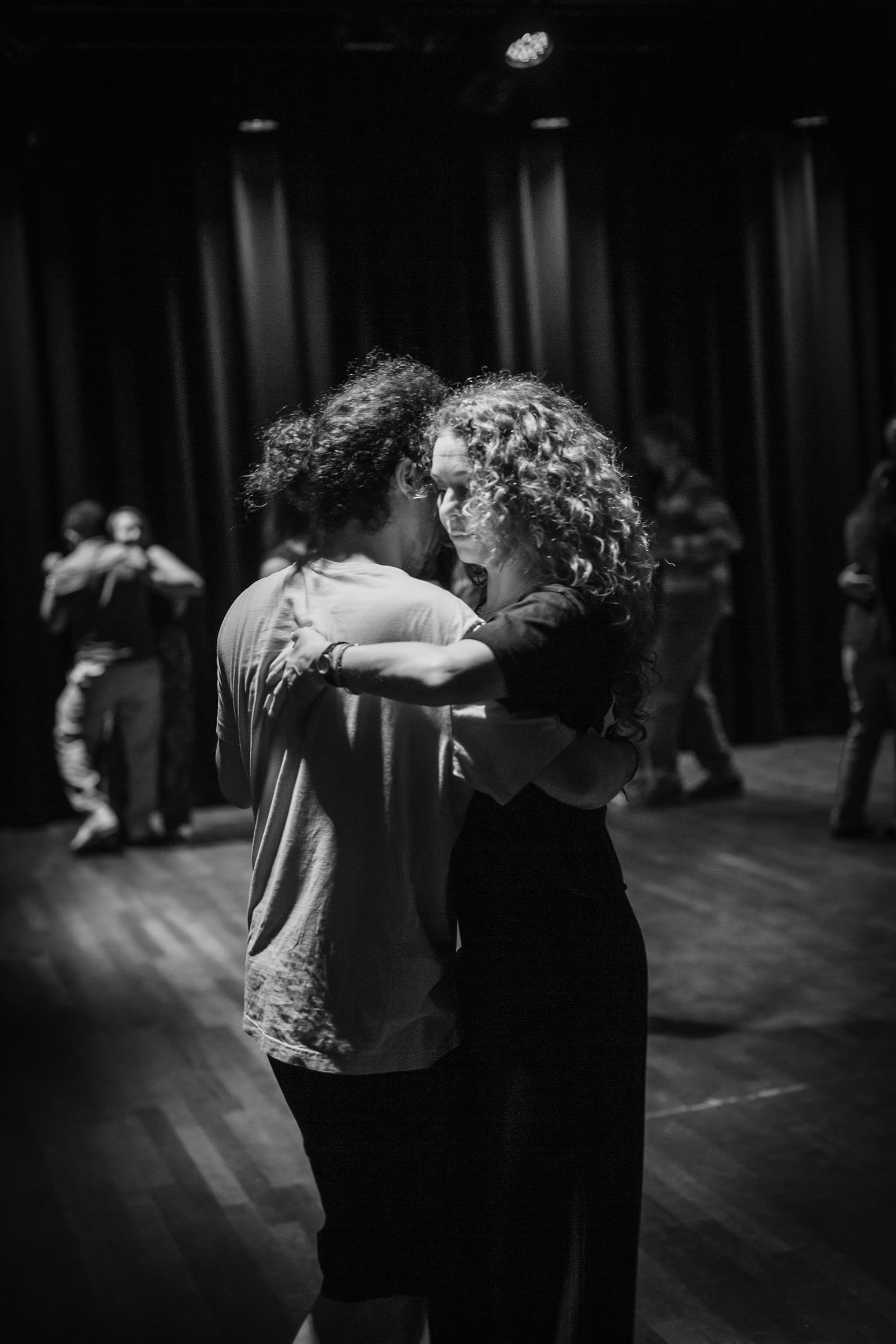
Traditional forró is played by a trio of instruments. Once you know them, you’ll hear them in every song.
Sanfona
The accordion. It carries the melody and gives forró its unmistakable sound.
Zabumba
A wide drum played with a mallet on top and a thin stick underneath. It drives the rhythm you dance to.
Triângulo
The triangle. Small but essential, it keeps the steady pulse that dancers follow.
The songs
Sung in Portuguese, about love, longing, home and life in the sertão. Lots of them are made for dancing close.
Want to hear it? Listen to our forró playlists on Spotify
One dance, many flavours
Forró music comes in different rhythms, and the dance changes with them. You’ll get to know them all in class and at our parties.
Xote
Slow and smooth. Perfect for learning the basics and for dancing close.
Baião
The original forró rhythm. Livelier, with more room for turns and variations.
Arrasta-pé
The fastest one. Quick little steps and lots of energy.
Forró universitário
The city style from the late 1990s that made forró popular with students in Brazil. It has more turns and arm figures, and much of the forró danced in Europe grows from it.
Forró roots
All about the close embrace: connection, small steps and detailed footwork.
Piseiro
A newer, electronic style from the Northeast that took off in the 2010s. Look out for our piseiro workshops!
Forró in Europe and Utrecht
A dance that travels
Forró has a big and friendly scene in Europe. The first forró festival outside Brazil took place in Stuttgart in 2008, and today there are festivals and parties in cities all over the continent.
In Utrecht, Baile da Dom has been bringing people together since 2022 with classes, parties and free socials. Many of us go to festivals together, so one class can easily turn into a weekend abroad with new friends. Meet our community
Come and try it
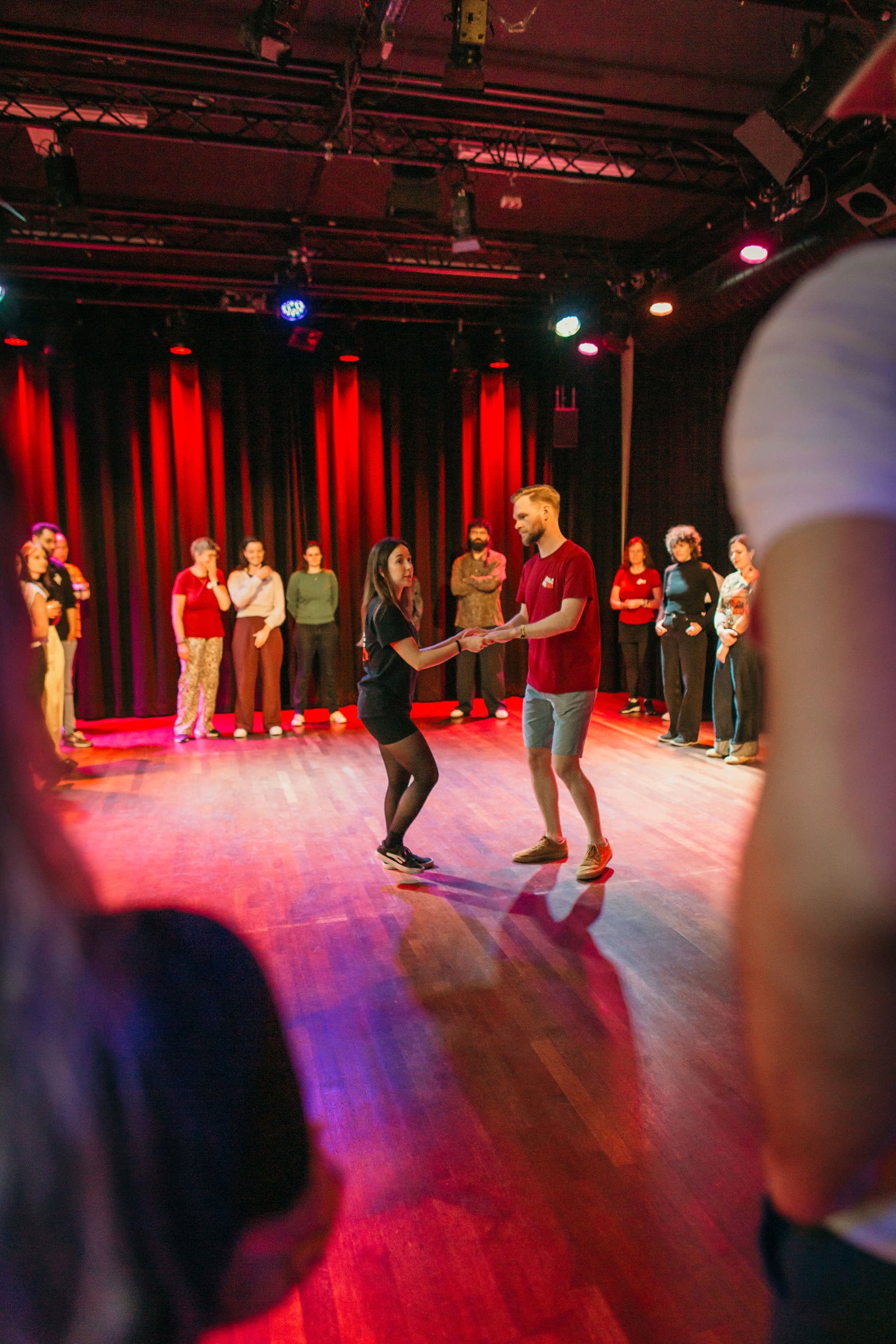
Your first Beginners class is free. No partner or experience needed.
Curious first? Come and watch, or join one of our free socials.